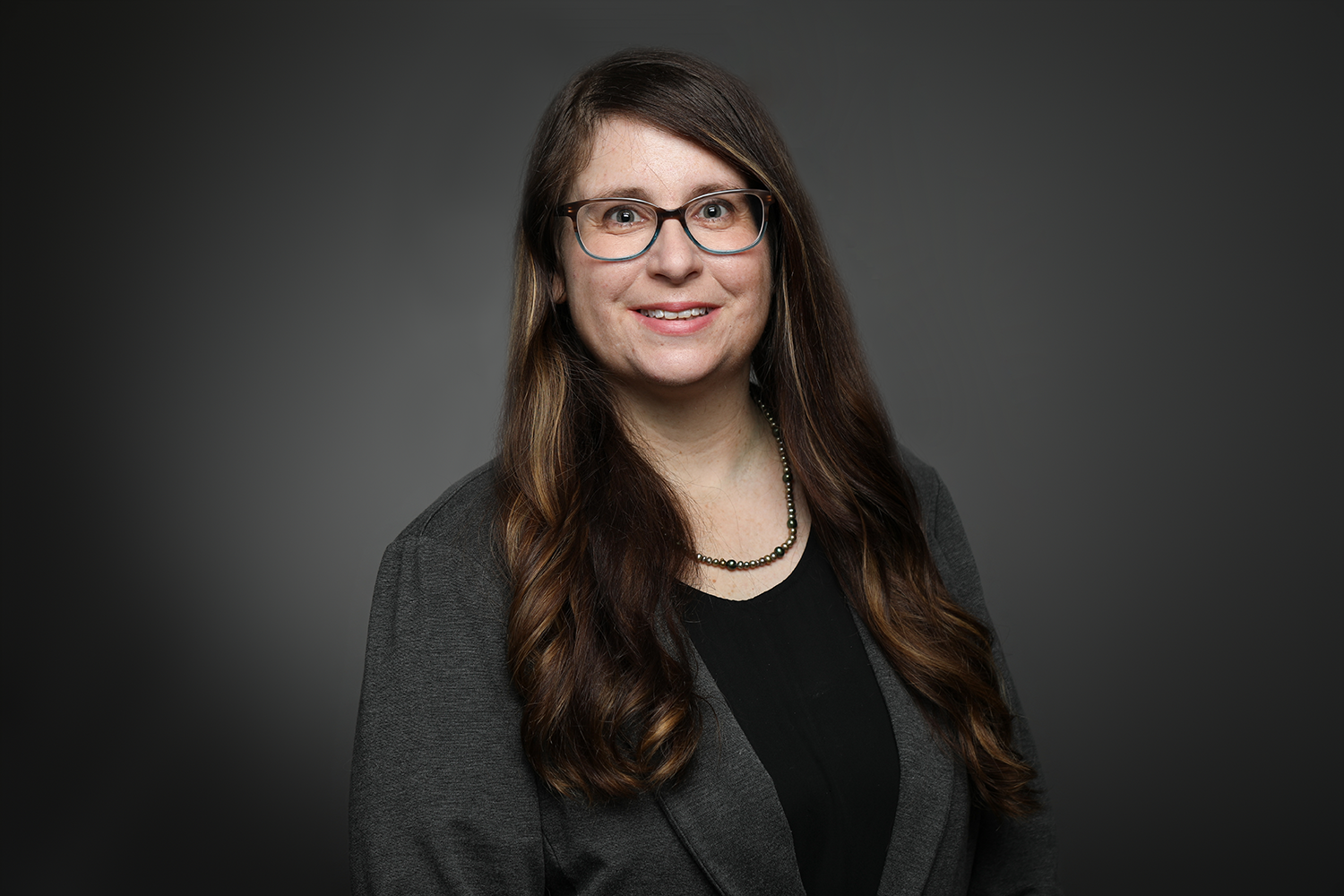
Conditions Most Treated: Dr. Duplantis is a seasoned clinician with nearly 30 years of experience across diverse clinical settings, including autism services, forensic environments, inpatient care, and community mental health within medical settings. She thrives in her role as a generalist, working across a broad range of ages and presenting concerns, while bringing specialized expertise in Health Psychology. Her clinical approach is grounded in evidence-based modalities such as Acceptance and Commitment Therapy (ACT), Behavioral Activation, Mindful Self-Compassion, and other third-wave behavioral therapies. Dr. Duplantis is committed to an anti-racist, trauma-informed framework and is deeply passionate about serving vulnerable and marginalized communities. This includes individuals from BIPOC, LGBTQIA+, differently abled, and neurodivergent populations. Her areas of specialty include Health Psychology (particularly coping with chronic medical conditions), post-traumatic stress disorder (PTSD), chronic pain, anxiety, ADHD, autism, re-entry and history of incarceration, medication-assisted treatment and addiction medicine, and complex medical conditions.
Services & Procedures Provided: Integrated Primary Care-Behavioral Health model of individual, couples and family therapy. (ALL BH Providers should have this) As a Licensed Clinical Psychologist, Dr. Duplantis can also provide brief psychological assessments for: Autism and ADHD in children or adults or pre-operative bariatric surgery psychological clearance.
Languages Spoken: English
Years in Practice: 25
Education: Doctorate in Clinical Psychology (Psy.D) from The Chicago School of Professional Psychology
Residency/Training: Specialty Post-Doctoral Certification from UMASS Medical School in Integrated Primary Care-Behavioral Health and from Notre Dame Mendoza College of Business in Executive Leadership.
Care philosophy: Dr. Duplantis finds her passion by catalyzing systems to align with best-practice methodologies to ensure optimal care is available to our communities’ most vulnerable and underserved. Approach to care: people in CFHC communities deserve the best care, via empirically-supported treatment approaches that treat the whole person. Theoretically, she enjoys utilizing Acceptance and Commitment Therapy, Behavioral Activation, Mindful Self-Compassion, and other 3rd wave behavioral approaches. Espousing an anti-racist and trauma-informed approach, Dr. Duplantis finds passion and personal fulfillment in providing the best care to our communities’ most vulnerable and marginalized populations, including those in BIPOC, LGBTQIA+, Differently Abled and Neurodivergent populations.